
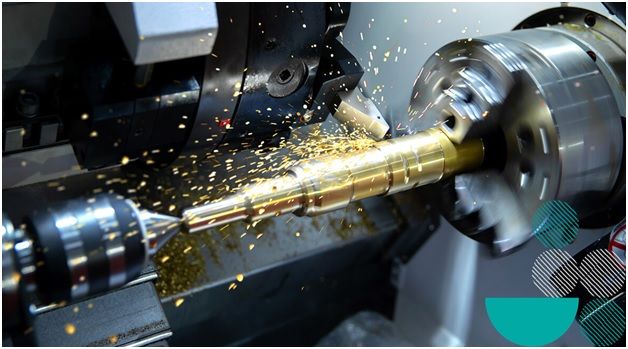
Manufacturing dependable mechanical components starts with choosing tools that match the job. From forming precise threads to checking gear accuracy, the right tooling helps businesses maintain quality and reduce unnecessary production issues.
Different tools serve different purposes on the factory floor. Thread rolling dies form external threads through pressure, while spur master gears provide a reference for evaluating the meshing and accuracy of manufactured gears. Understanding these functions helps manufacturers make practical decisions when selecting equipment for their operations.
Why Tool Selection Matters
A production process involves several connected factors, including machine condition, material properties, tool design, and inspection methods. When one of these elements does not meet the required specifications, the finished component may not perform as expected.
Suitable tooling helps manufacturers maintain dimensional consistency and repeatable results. It can also make production planning easier by reducing avoidable adjustments and supporting more reliable quality checks.
Before purchasing a tool, businesses should define their component requirements and consider how the tool will be used in the wider manufacturing process.
Understanding Flat Thread Rolling Dies
Thread rolling is a forming method used to produce external threads by applying pressure to a workpiece. Rather than removing material through cutting, the process reshapes the material to create the required thread profile.
Flat thread rolling dies are used in machines that form threads as a workpiece passes between two flat dies. The thread profile is incorporated into the die surfaces, allowing the material to take the required shape during the rolling operation.
This process is commonly used for threaded fasteners and other components that require repeatable dimensions and efficient production. When the material and process conditions are suitable, thread rolling can deliver consistent threads at high production rates.
What Makes Thread Rolling Tooling Suitable for Production?
The quality of a finished thread depends on several factors. Die geometry, material properties, machine alignment, and operating settings all influence the outcome.
Manufacturers should pay attention to the following considerations:
- Thread specifications: The required pitch, profile, and dimensions must match the die design.
- Material suitability: The workpiece must respond appropriately to the forming process.
- Tool construction: Die material and manufacturing quality influence durability and performance.
- Machine compatibility: Correct fit and alignment help maintain consistent thread formation.
- Production requirements: Expected output influences decisions about tool life and maintenance.
Reviewing these details before ordering helps businesses choose tooling that fits their actual requirements.
The Importance of Consistent Thread Quality
Threaded components are often used in assemblies where secure fitting and dimensional accuracy are essential. Variations in thread geometry can affect assembly, fastening performance, and the reliability of the final product.
Regular inspection helps manufacturers identify dimensional changes before they affect a large production batch. Keeping dies clean, installing them correctly, and following suitable maintenance procedures can also support consistent results.
Tooling should be assessed throughout its working life rather than only when it is first purchased. This approach helps production teams identify wear early and plan maintenance more effectively.
How Spur Master Gears Support Gear Inspection
Spur gears have straight teeth arranged parallel to the gear axis. They are widely used in mechanical systems because their design is straightforward and suitable for many applications involving power transmission.
A spur master gear is a precision reference gear used in appropriate inspection procedures. It helps manufacturers evaluate gear meshing and assess certain aspects of dimensional and composite accuracy.
For inspection results to be useful, the reference gear must meet the required specifications. Its tooth geometry, accuracy, and physical condition all influence the reliability of the assessment.
Choosing Spur Master Gear Manufacturers
When evaluating spur master gears manufacturers, buyers should begin with the specifications of the gears they need to inspect. Important details may include module, pressure angle, tooth count, dimensions, and required accuracy.
Material quality and manufacturing precision are also important. A reference gear should provide a dependable standard for the intended inspection method, so buyers should confirm that the product matches their technical requirements.
Useful questions to consider include:
- Are the required gear specifications clearly defined?
- Does the product meet the intended accuracy requirements?
- Is the reference gear appropriate for the inspection method?
- Are product details and relevant quality information available?
- Can the supplier clarify technical questions before an order is placed?
Clear communication can help avoid specification errors and make purchasing decisions more straightforward.
Maintaining Reliable Gear Inspection
Precision reference gears need proper handling and care. Damage, contamination, or wear may influence the contact between teeth and affect inspection results.
Manufacturers should store reference gears appropriately and follow suitable procedures for cleaning and handling. Periodic verification is also valuable where required by the inspection system.
It is important to use the correct inspection method for the characteristic being evaluated. A master gear can provide useful information about gear meshing and composite behaviour, but it does not replace every form of gear measurement.
Understanding these limitations helps manufacturers build a more effective quality control process.
Bringing Production and Inspection Together
Thread forming and gear inspection may involve different operations, but both rely on accurate tooling and controlled procedures. Rolling dies influence the geometry of threaded components, while master gears help assess the quality of manufactured gears.
Businesses can improve consistency by documenting specifications, checking equipment compatibility, training operators, and establishing regular inspection routines. These practices help identify problems early and make quality expectations clearer across the production team.
A considered approach to tooling also helps manufacturers balance initial costs with durability, maintenance needs, and the importance of consistent finished components.
A Simple Checklist Before Buying Tooling
Before placing an order, manufacturers should:
- Confirm the component design and required dimensions.
- Define the relevant tolerances and quality standards.
- Check compatibility with existing machinery.
- Review material requirements and operating conditions.
- Establish suitable inspection procedures.
- Understand maintenance and storage needs.
- Confirm product specifications with the supplier.
This preparation helps ensure that the selected tooling is appropriate for the application and supports dependable production.
Conclusion
Good manufacturing results depend on the relationship between tool design, machine performance, material properties, and quality control. Flat thread rolling dies help form consistent external threads, while spur master gears provide a reference for assessing gear meshing and accuracy.
Selecting suitable flat thread rolling diescan help maintain thread quality and production consistency. Working with experienced spur master gears manufacturers can also help businesses identify reference tooling suited to their inspection needs.
By focusing on technical specifications, correct equipment use, and regular maintenance, manufacturers can make informed tooling decisions and support reliable industrial production.